
Perimenopause, Menopause & Mental Health: What Counsellors & Clinicians Need to Know: ONLINE LIVE STREAM EVENT

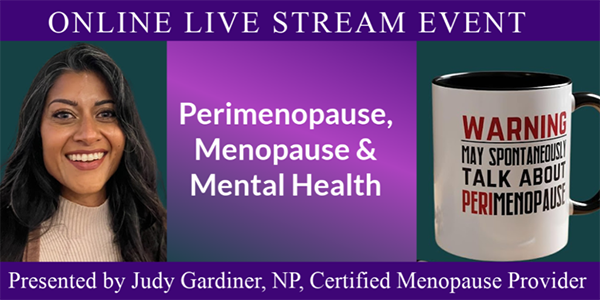
Event date: -
Event location: Online
Event Link: https://www.missionempowerment.ca/perimenopause--menopause---mental-health-1.html
Event type: Single day (a day or less)
Workshop Description
Counsellors and clinicians are increasingly seeing women in their mid to late 30s and beyond walk through their doors struggling with a puzzling mix of physical and psychological symptoms that don’t appear to share a common cause – and that standard therapeutic approaches don’t always resolve.
Perimenopause symptoms can begin up to 10 years before menopause itself. With menopause occurring on average between ages 45 and 55, these changes may start appearing as early as the mid-30s - well before most people would think to make the connection.
Mental health issues and emotional changes are among the common concerns, but they’re not the only ones. Others include a sudden loss of functioning, confidence, or coping capacity. Brain fog, memory lapses, insomnia, fatigue, irritability, anxiety, or a deep sense of burnout may appear seemingly out of nowhere. And without a clear medical explanation, these symptoms are often dismissed as “just stress” or assumed to be purely psychological.
For many, however, the underlying cause is hormonal.
While perimenopause and menopause can have a profound impact on mood, cognition, and daily functioning, most mental health professionals have never been taught how to recognize or respond to these issues through a hormonal lens. If more obvious symptoms - such as hot flashes - are absent, the connection is often overlooked. Given that the perimenopausal transition can last up to 10 years, recognizing the signs is critical to helping clients avoid years of unnecessary suffering.
This engaging and highly practical workshop will explore how perimenopause and menopause affect mental health and functioning, and how helping professionals can better recognize the signs, support their clients, and collaborate with healthcare providers to ensure comprehensive care.
Topics will include:
- The stages of the menopausal transition: average age, duration, and what to expect
- The role of hormonal shifts on neurotransmitters like serotonin and dopamine - and their effect on mood and anxiety
- How physical symptoms like insomnia, hot flashes, and fatigue contribute to emotional and cognitive strain
- When symptoms are hormonal vs. psychological - and why it’s often both
- Assessing for perimenopause: symptoms vs. testing
- Treatment options: from counselling to hormone therapy (HT) to lifestyle changes
- When and how to refer: working collaboratively with menopause-literate providers
- How to advocate for your client - and help them advocate for themselves
- Choosing a provider: key directories, menopause clinics, and red flags to watch for
- Special considerations: higher ACE scores, trauma history, and increased suicide risk during this stage
If you work with women in their mid-30’s through early 60’s in any counselling or support capacity, this workshop will equip you to recognize when hormonal changes may be playing a role - and how to help your clients access the full scope of care they deserve.
Also suitable for women who want to better understand their own perimenopause or menopause journey, this session will offer clarity, compassion, and actionable tools to help bridge the gap between mental health and hormonal health.
You will receive:
- Login details and instructions emailed in advance of the workshop
- Downloadable handouts
- Certificate of attendance upon successful completion of a brief online quiz (if desired)
- Access to a recording of the workshop for a limited period of time after the workshop - so if you can’t join live, or need to miss part of the live workshop and want to view it afterwards, we’ve got you covered!
About the Presenter
Judy Gardiner is an Ontario-based Nurse Practitioner with training in Emergency Medicine, Primary Care, Heart Disease, and Midlife Men’s and Women’s Health. She is the Medical Director of the Stratford Menopause Clinic and also operates private midlife health clinics for both men and women.
Judy’s passion for menopause care arose from personal experience. After facing severe symptoms and repeated barriers to treatment, she was finally granted a referral in June 2023 to a provider willing to discuss hormone therapy - a referral that is still pending. Undeterred, Judy transformed her frustration into advocacy and action. Since then, she has become Menopause Society Certified, completed advanced training in Testosterone Therapy, opened two midlife health clinics, and become a sought-after educator and advocate for improved access to care. She also served as a Top Expert Group Member in the Centre for Effective Practice’s Menopause Tool for healthcare providers, which has now been published.
With over 20 years in nursing, Judy describes this chapter - improving midlife health and access to care - as the most fulfilling of her career. She believes sharing her expertise to support others is both an honour and a privilege.
For more information or to register: www.missionempowerment.ca